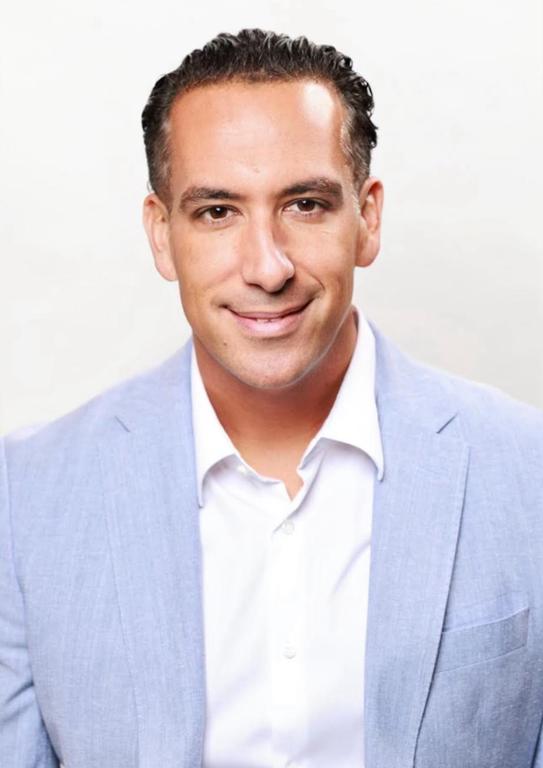
 By Paul Della · Licensed Insurance Agent · The Della Agency
Getting older changes New York's rules for your license and your policy far less than most people fear. What does change is what you have to protect, who else drives your car, and which coverage pays first after a crash.
The best car insurance for a New York senior isn't a brand. It's a policy built around your life now. For most older drivers, that means:
- Liability well above the 25/50/10 minimum, sized to protect your home and savings.
- No-fault that pays first, ahead of your health insurance, with optional extra PIP for more cushion.
- Spousal liability kept on if you're married, and every regular driver of your car listed.
- The DMV's PIRP course, which reduces the base rate of liability and collision premiums by 10% for three years, at any age.
Do this: book a free coverage review with our team before your next renewal.
Maybe your license renewal notice just arrived and you're wondering if the DMV will make you take a road test. Maybe your daughter has started gently asking about your driving. Or maybe your renewal went up and you suspect your birthday is the reason. Those worries are common, and most have calmer answers than you'd expect.
This statewide guide covers the DMV's real rules, no-fault and your health coverage, protecting your savings, adult children on your policy, and the DMV course that reduces your liability and collision base rate. Live on Long Island? Our Long Island senior car insurance guide covers the local details.
What Does “Best” Car Insurance Mean for a New York Senior?
The short answer: the best policy for an older New York driver is the one that fits your household today (your assets, your driving and your passengers), not a company name on a ranking list.
Fit starts with three questions: What would a serious at-fault crash put at risk? Who drives your car besides you? And is your policy rated for the driving you do now?
A common fear is being dropped at a certain birthday. New York law pushes back. Under Insurance Law §3435-a, an insurer can't refuse to renew an auto liability policy solely because the named insured has reached age 60, or require a physical exam or medical questionnaire at renewal on that basis. Insurance Law §3425(i) also bars non-renewal solely on the ground of advanced age.
Insurers can still act on sound underwriting tied to actual or expected losses, so your driving record matters. And if an insurer doesn't plan to renew, it generally must send written notice with reasons 45 to 60 days before the one-year policy period ends (§3425).
What Are New York's License Renewal Rules for Older Drivers?
The short answer: the same rules as everyone else: an eight-year license, a vision test at every renewal, and no age-based road or written test.
According to the NY DMV, a renewed license is valid for eight years, and you can renew up to one year before it expires or up to two years after. Every renewing driver must pass a vision test: the DMV's vision standard is at least 20/40 in either or both eyes, with or without glasses.
Your eye-care provider can send results through the DMV Vision Registry or on form MV-619, and either route lets you renew online or by mail. Registry results normally stay valid for 12 months.
The DMV says it “will not remove driving privileges based on age or based on any standard except driving ability.” No birthday triggers a road test in New York.
The DMV's Older Driver Resources page adds a self-assessment, CarFit checks and alternatives to driving. For insurance, just keep your license current.
What Happens If a Doctor or Family Member Asks the DMV to Review a Driver?
The short answer: the DMV can re-test a driver of any age when someone gives a specific, driving-related reason. It's a review of ability, not age.
Per the DMV's Driver Re-evaluation page, police use form DS-5, physicians use DS-6, and concerned people such as family members use DS-7 (Request for Driver Review). Requests go by mail to the DMV's Medical Review Unit in Albany, not by phone or email, and a DS-7 must carry the requester's name and signature.
The DMV needs “reasonable grounds,” meaning a specific reason tied to how the person drives. The driver may be called in for an interview and vision test, and asked for a Physician's Statement (MV-80) or a written or road test. A failed road test means immediate revocation, though the driver can reapply after 30 days. Separately, drivers of any age with three or more reportable crashes within 18 months fall into a crash re-examination program.
For insurance, the outcome is what matters. A restriction should be reflected on the policy. If driving ends, the household has a decision to make about the car, and in New York the order matters.
Before anyone mails a form, try the DMV self-assessment together. A December 2025 release from the NY State Office for the Aging and the DMV also points families to NY Connects (1-800-342-9871) and local Offices for the Aging for rides.
New York's rule is “no insurance, no plates.” The NY DMV says you must surrender the registration and plates before coverage ends. Any time a car is registered but uninsured can count as a lapse, with civil penalties of $8 to $12 a day under the DMV's penalty schedule and a registration suspension that suspends the owner's license for the same number of days. Call us first.
How Safe Are Older New York Drivers, Really?
The short answer: safer than the stereotype. Older drivers are involved in fewer serious crashes than their share of licenses suggests, but they're more likely to be badly hurt when a crash happens.
A December 2025 release from the NY State Office for the Aging (NYSOFA) and the DMV, citing ITSMR data, says drivers 65 and older make up 21% of New York's licensed drivers but are involved in only 11% of fatal and personal-injury crashes.
The Insurance Institute for Highway Safety (IIHS, updated July 2026) reports that per-capita crash deaths among older people have declined since peaking in the late 1990s, and that since 2015, fatal crash involvement per licensed driver for ages 70–79 has been below the rate for ages 35–54.
The caveat is injury, not skill: IIHS says fatal crash rates per mile start rising at about age 70, mainly because older bodies are more fragile in a crash. In 2024, multiple-vehicle intersection crashes made up 43% of fatal crashes for drivers 80 and older, versus 24% for drivers 16–59. The CDC estimates that in 2022 about 9,100 adults 65+ were killed in traffic crashes. That's why we focus on medical coverage.
Does No-Fault Pay Before Your Health Insurance After a Crash?
The short answer: yes. In New York, the no-fault coverage on your auto policy pays first for crash injuries, ahead of your health insurance, up to $50,000 per person in basic benefits.
The NY Department of Financial Services (DFS) puts it plainly: “No-Fault is also primary to health insurance, which means it pays first in the event injury is due to an auto accident.”
Basic no-fault, also called personal injury protection (PIP), pays up to $50,000 per person, the “basic economic loss” defined in Insurance Law §5102. Per DFS, that covers 80% of lost earnings up to $2,000 a month for up to three years, other expenses up to $25 a day for up to a year, and a separate $2,000 death benefit. If you're retired, the lost-earnings piece may not apply.
You can carry more. DFS says insurers must offer Optional Basic Economic Loss (OBEL), which adds $25,000, and you can buy Additional PIP, which DFS's no-fault FAQs call “usually not expensive.” For an older driver, that's worth pricing.
One deadline to tape to the fridge: a no-fault claim must be filed within 30 days of the accident (DFS Regulation 68). Our explainer on how a New York no-fault claim works walks through it. If you're on Medicare or a retiree plan, ask that plan how it handles car-accident bills.
How Much Liability Coverage Protects a Retirement Nest Egg?
The short answer: usually far more than New York's 25/50/10 minimum. Match your limits to what you own, keep spousal coverage, and consider an umbrella if you own a home.
New York's minimum liability is $25,000 for injury to one person ($50,000 for death), $50,000 for two or more people ($100,000 for deaths), and $10,000 for property damage, per DFS and VTL §311. Those numbers were never meant to protect a paid-off house and retirement savings; a claim bigger than your limit can reach your assets. Our breakdown of New York's minimum auto coverage explains each number.
| Coverage | Why it matters after 60 | New York status |
|---|---|---|
| Bodily injury liability | Stands between an injury claim and your savings | Required 25/50 min — go higher |
| Property damage liability | Pays for other people's cars and property | Required $10K min |
| No-fault (PIP) | Pays your medical bills first, ahead of health insurance | Required $50K — more optional |
| Uninsured motorist | Protects you when the at-fault driver has no insurance | Required, same minimum BI limits |
| Supplementary spousal liability | Covers your liability if your spouse is hurt in a crash | Provided unless declined |
| Umbrella | Extra liability above your auto and home limits | Optional — separate policy |
Married? Look at spousal liability. Supplementary Spousal Liability (SSL), as DFS describes it, covers your liability if your spouse is injured or killed in a crash, up to your liability limits. DFS says it's provided unless declined when a policy is first issued, and Insurance Law §3420(g) requires insurers to tell you it's available, at least once a year. Declining it doesn't affect your spouse's no-fault, but we usually suggest keeping it.
Uninsured motorist coverage is mandatory at the same minimum limits, per DFS; see our uninsured motorist guide.
An umbrella is the next layer. The Insurance Information Institute says an umbrella “kicks in when you reach the limit on the underlying liability coverage,” and insurers typically require minimum limits on your auto and home policies first. Our guide to home insurance for New York seniors shows how it fits with your homeowners policy. When we build auto insurance for a retired New York driver, liability is the first number we check.
Should an Adult Child Be Listed on a Parent's Car Insurance?
The short answer: often, yes, if they live with you or drive your car regularly. In New York the owner can be held responsible when someone drives the car with permission.
A grown son moves home and borrows the car, or a daughter drives Mom to appointments in Mom's car. We see it every month.
The legal backdrop is Vehicle & Traffic Law §388: a vehicle owner is liable for death, injury or property damage caused by the negligence of anyone using the vehicle with the owner's permission, “express or implied.” If your daughter drives your car with your OK and causes a crash, the claim can reach you, and your liability limits protect your savings.
- Lives with you and drives your car: tell us. We'll typically want them listed.
- A caregiver who drives your car regularly: tell us too, even if they live elsewhere.
- Borrows it now and then: mention it at your review.
- You've stopped driving but kept the car: it still needs insurance while registered, “even if you do not use the vehicle,” per the NY DMV.
Which DMV Course Reduces Part of Your Premium?
The short answer: the DMV's Point and Insurance Reduction Program (PIRP). An approved course reduces the base rate of your liability and collision premiums by 10% each year for three years, at any age.
According to the NY DMV's PIRP page, completing a DMV-approved course reduces “the base rate of your auto and motorcycle insurance premiums by 10% each year for three years.” The DMV describes it as a liability and collision reduction, and Insurance Law §2336 requires an “actuarially appropriate reduction” on those two coverages.
It isn't age-based: there's no age requirement, and it goes to the principal operator who completes the course. Per the DMV:
- The classroom course runs 320 minutes and can be split across sessions.
- You can take it in a classroom or online. The DMV's online and classroom provider lists both include AARP's Smart Driver course.
- The certificate must reach your insurer within 90 days, and you retake the course every 36 months to keep the reduction.
One heads-up: under current law, the online course program (VTL §399-m) is scheduled to be repealed April 1, 2028. Our New York defensive driving discount guide covers providers and timing.
Email or drop off your certificate and we'll make sure it reaches your policy inside the DMV's 90-day window. Then set a reminder about 33 months out, so you can retake it before the three years run out.
What Should New York Seniors Check Before Every Renewal?
The short answer: six things: liability against what you own, your no-fault cushion, spousal liability, who drives your car, your mileage, and your PIRP date.
Liability vs. assets
Does your limit reflect your home and savings, or just the 25/50/10 floor?
No-fault cushion
Basic is $50,000. Ask about OBEL or Additional PIP.
Spousal liability
Married? Confirm SSL is still on your policy.
Who drives your car
A child or caregiver who drives it regularly should be on our radar.
Your real mileage
Driving less since retiring? Make sure your policy knows.
Your PIRP clock
The reduction lasts three years. Retake the course before it ends.
On Long Island, our guide for Long Island seniors goes local, with county detail for Suffolk County seniors and Nassau County seniors. If your car mostly sits, see low-mileage car insurance for retired New Yorkers. Wintering down south? See our snowbird car insurance guide.
The Bottom Line for New York Senior Drivers
The short answer: New York judges older drivers on ability, not age, and your car insurance should be built the same way: around what you own, who drives your car and how you drive now.
Protect your nest egg with strong liability, keep spousal coverage, consider extra no-fault, list your real drivers, and take the PIRP course. Our team will review your policy for free. Call (631) 616-8884, Monday to Friday, 9am to 5pm, or start with your ZIP below.
Frequently Asked Questions
No. New York has no age-based road or written test. According to the NY DMV, every renewing driver, at any age, must pass a vision test showing at least 20/40 in either or both eyes, with or without corrective lenses, and a renewed license is valid for eight years. The DMV says it won't remove driving privileges based on age, only on driving ability. A road test comes up only if the DMV opens a re-evaluation for a specific, driving-related reason. As of .
Not for age alone. New York Insurance Law §3435-a bars an insurer from refusing to renew an auto liability policy solely because the named insured has reached age 60, and from requiring a physical exam or medical questionnaire at renewal on that basis. Insurance Law §3425 separately bars non-renewal solely on the ground of advanced age. Insurers can still act on sound underwriting tied to actual or expected losses, so your driving record counts. If an insurer plans not to renew, it generally must send written notice with reasons 45 to 60 days before the policy period ends. As of .
New York law doesn't create an age-based discount. The state program people ask about is the DMV's Point and Insurance Reduction Program (PIRP), which is open to drivers of any age. Per the NY DMV, completing an approved course reduces the base rate of your liability and collision premiums by 10% each year for three years. It goes to the policy's principal operator, the certificate must reach your insurer within 90 days, and you retake the course every 36 months to keep it. AARP's Smart Driver course is on the DMV's approved lists. As of .
Yes. The New York Department of Financial Services says no-fault “is also primary to health insurance, which means it pays first in the event injury is due to an auto accident.” Basic no-fault pays up to $50,000 per person regardless of fault, covering medical bills, 80% of lost earnings up to $2,000 a month, and other expenses up to $25 a day. You can add Optional Basic Economic Loss (another $25,000) or Additional PIP. File your no-fault claim within 30 days of the accident. As of .
Supplementary Spousal Liability (SSL) covers your liability if your spouse is injured or killed in a car crash, up to your policy's liability limits. The New York Department of Financial Services says SSL is provided unless declined when a policy is first issued, and state law requires insurers to tell you it's available, at least once a year. If you decline it, your spouse can still collect no-fault benefits. For married retirees who ride together often, our team usually recommends keeping it. Ask us to confirm it's on your policy. As of .
Get Your Free New York Senior Auto Review
We'll check your liability, spousal and no-fault coverage, and apply your PIRP course. Free, no obligation.
✓ Last reviewed by the Della Agency team on . We refresh our guides quarterly.
General information, not a coverage or legal recommendation. Coverage, limits and eligibility depend on your policy and circumstances. Figures are attributed to the named public sources above and are not quotes.
Written and reviewed by the Della Agency team, licensed New York insurance professionals in North Babylon serving drivers statewide, including Suffolk and Nassau. Figures come from the sources cited above, including the New York DMV and the NY Department of Financial Services, and are reviewed quarterly.