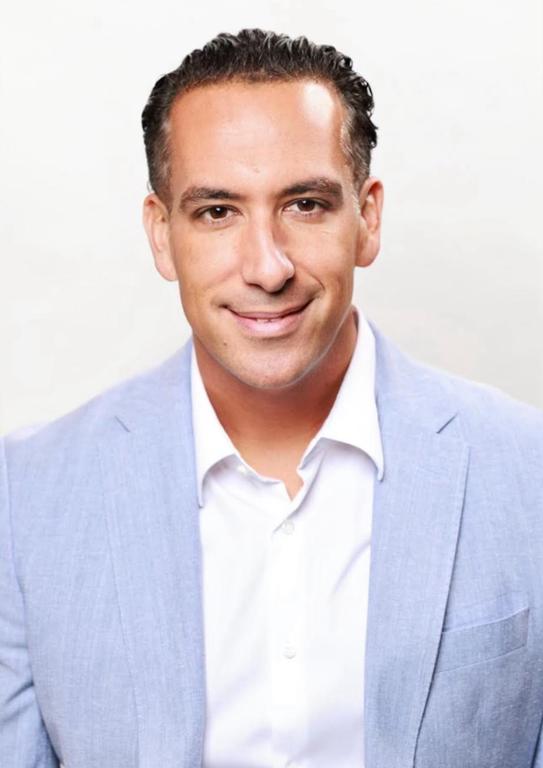
 By Paul Della · Licensed Insurance Agent · The Della Agency
Suffolk is a long county to grow older in. The doctor, the pharmacy and the grandkids can each be a highway drive apart, and plenty of retirees park a few blocks from the Great South Bay. Here's how senior car insurance in Suffolk County should be built, from our team in North Babylon.
Senior car insurance in Suffolk County works best when it's built around three local facts: many retirees here still rely on a car, many South Shore cars are parked where storm surge has reached the street, and with about 82% of Suffolk homes owner-occupied (Census), many retired drivers here have a home to protect. Build the policy in this order:
- Keep liability and New York no-fault strong. Those protect your savings and your health.
- Keep comprehensive on any car parked near the bay. That's the part of an auto policy that covers flood damage.
- Finish a DMV-approved PIRP course. It brings a 10% base-rate reduction on liability and collision premiums for three years, at any age.
- Never let coverage lapse on a car that still has plates. Surrender the plates first.
Do this: tell us where each car is parked overnight and how you drive now. That one conversation sets up everything else.
You've lived in Suffolk long enough to know that nothing is close. The cardiologist is in one hamlet, the pharmacy is in another, and the grandkids might live out past Riverhead. So when your renewal shows up and you wonder whether a retiree's car insurance should look different, the answer is yes, though maybe not in the way you'd expect. For a senior driver in Suffolk County, three questions matter most: where the car is parked, how far you still drive, and what you have to protect.
We're a Suffolk agency. Our office is at 1135 Deer Park Ave in North Babylon, and this guide comes from the conversations we have with retired drivers from Deer Park to the North Fork. For the Island-wide basics, start with our Long Island guide to car insurance for seniors. For the statewide rules on licensing and older drivers, see our guide for New York senior drivers. This page covers what's specific to Suffolk.
Why Is Senior Car Insurance Different in Suffolk County?
The short answer: Suffolk is large, car-dependent and getting older. About one resident in five is 65 or older, spread across more than 900 square miles. Distances here are long, and many retirees still rely on a car, so their policies should be built for that.
The numbers make the point. The U.S. Census Bureau's QuickFacts (V2025 table, accessed October 2026) puts Suffolk's population at 1,546,090 (July 1, 2025 estimate), and the V2025 QuickFacts table shows 20.1% of residents aged 65 or older. By our math, that's roughly 310,000 people. The statewide share is 19.3%, according to the same Census data for New York. QuickFacts also lists Suffolk's land area as 911.17 square miles (2020) and its owner-occupied housing rate as 82.2% (2020–2024).
Put those figures together and you get the Suffolk retiree we meet most often: a homeowner, still driving, with real distance to cover. Distance keeps the car essential. Homeownership means a serious at-fault crash can reach your house and savings, so liability limits matter more now than they did when you were 35 and renting.
Older drivers aren't the problem on New York roads, either. In a December 2025 release, the New York State Office for the Aging and the DMV reported, citing ITSMR data, that drivers 65 and older make up 21% of the state's licensed drivers but are involved in only 11% of fatal and personal-injury crashes. Experience counts, and your policy should reflect it.
Which Suffolk Roads Shape a Retired Driver's Risk?
The short answer: Most Suffolk retirees split their driving between long east–west roads and busy local intersections. Your policy should be rated for that mix as it is today, not for the commute you used to make.
Suffolk's main routes run east–west: the Long Island Expressway, the Southern State Parkway, Sunrise Highway, Montauk Highway through the South Shore villages, and Routes 25 and 25A out to the North Fork. A Bay Shore retiree might use Sunrise Highway for appointments and Montauk Highway for errands, while a Riverhead retiree puts most miles on Route 25. Out east, the same roads that are quiet in February fill up with summer visitors, so a June drive to the South Fork can feel very different from one in winter.
Where crashes happen matters too. The Insurance Institute for Highway Safety (IIHS-HLDI, updated July 2026) reports that in 2024, multiple-vehicle crashes at intersections made up 43% of fatal crashes for drivers 80 and older, compared with 24% for drivers aged 16 to 59. IIHS also notes that fatal crash rates per mile start rising at about age 70, mainly because older bodies are more fragile in a crash, not because older drivers crash more.
Two practical lessons follow. First, a left turn across Montauk Highway, or a merge off a Sunrise Highway service road, is worth planning around, and the DMV's Older Driver Resources page covers self-assessment, CarFit and vehicle adjustments. Second, because injuries hit harder with age, the medical side of your coverage (no-fault, and possibly additional PIP) deserves as much attention as the car itself.
When you stopped commuting on the LIE or the Southern State, did anyone update the policy? We'd like to know how many miles you really drive and whether a second car mostly sits in the driveway. Our guide to low-mileage car insurance for retired New Yorkers covers how to document mileage and ask for a re-rate.
Why Should Cars Parked on Suffolk's South Shore Keep Comprehensive?
The short answer: Comprehensive is the part of an auto policy that covers flood damage to your car, and storm surge on Suffolk's South Shore has a documented history of reaching streets and parked cars.
The National Weather Service's New York office records that on October 29, 2012, during Hurricane Sandy, the USGS gauge at Lindenhurst measured a storm surge of 6.26 feet and a peak water level of 7.73 feet. The same NWS summary logged surge flooding on Montauk Highway in Lindenhurst, Shore Road under water, surge through the inlets approaching Montauk Highway in Islip, and water "up to the roofs of cars in downtown Riverhead."
Sandy wasn't a one-off. A National Weather Service compilation of coastal-flood reports for Lindenhurst and the Great South Bay (2005–2018) records that on December 9, 2014, a car was stuck in up to 20 inches of water on East Shore Road and water reached the doors of several cars on Seacrest Avenue and Lido Promenade, and that on October 27, 2018, there was widespread flooding south of Montauk Highway. In other words, surge reaching South Shore streets isn't just a 2012 story.
That's where comprehensive comes in. The NY Department of Financial Services says that under comprehensive coverage, your insurer pays, without regard to fault, for damage to your car “from all causes, other than collision, such as theft (of the car itself or its parts), fire, flood, windstorm, glass breakage, vandalism, hitting or being hit by an animal, or by falling or flying objects.” Liability only pays for damage you cause to others, and DFS's definition puts flood under comprehensive, not collision. So if your car sleeps south of Montauk Highway in Lindenhurst, Babylon Village, Bay Shore or Islip, comprehensive is the coverage we'd be most reluctant to see you drop. For the house itself, our Long Island flood insurance guide covers the separate question of flood coverage for your home.
| Suffolk situation | Coverage that typically responds | Status in New York |
|---|---|---|
| Storm surge floods your car in a Lindenhurst driveway | Comprehensive (flood), minus your deductible | Optional — keep it near the bay |
| A tree comes down on your car during a nor'easter in Deer Park | Comprehensive (falling trees) | Optional — often worth keeping |
| You hit a deer on Route 25 on the North Fork | Comprehensive (striking an animal) | Optional |
| You cause a crash on Sunrise Highway | Liability for the other people and cars; collision for your own car | Liability required (25/50/10 min) |
| An uninsured driver injures you on Montauk Highway | Uninsured motorist coverage | Required |
| Your medical bills after any crash | No-fault (PIP) pays first, ahead of health insurance | Required — $50K basic |
The second car on a Lindenhurst canal street
A retired couple lives on a canal-front street south of Montauk Highway in Lindenhurst. Their main car carries comprehensive and collision, but they dropped comprehensive and collision on the paid-off second car. A coastal storm pushes bay water up the street and into both cars.
Illustrative math only, not a quote or a claim promise. Say each car was worth $14,000 at the time of the flood, and the main car carries a $500 comprehensive deductible. The main car's comprehensive coverage would respond for up to $13,500 ($14,000 − $500), subject to the policy's terms. The second car, with liability only, gets $0 for flood damage. The lesson isn't "never drop coverage." It's that in Suffolk, where the car is parked can matter as much as what it's worth.
How Do Coverage Needs Change from North Babylon to the East End?
The short answer: New York's coverage rules are the same everywhere in Suffolk, but the risks aren't. Bayfront villages face surge, inland neighborhoods mostly face traffic and falling trees, and East End retirees often juggle seasonal homes and long drives.
Here's how we see it, from our own neighborhood eastward:
North Babylon & Deer Park
Our home turf, mostly inland along and around Deer Park Avenue. Here the bigger day-to-day exposures are traffic and busy intersections. Strong liability and uninsured motorist coverage do the most work.
Lindenhurst
NWS records show surge flooding on Montauk Highway and Shore Road in 2012, and widespread flooding south of Montauk Highway again in October 2018. Keep comprehensive, and know in advance where you'd move the car before a storm.
Babylon Village & West Babylon
Some blocks sit near the bay and others well inland, so it depends on your street. Tell us exactly where the car is parked overnight. It changes our advice on comprehensive.
Bay Shore & Islip
Great South Bay frontage. In 2012, the NWS logged surge pushing through the inlets toward Montauk Highway in Islip. Treat cars parked south of Montauk Highway like Lindenhurst cars.
Riverhead & the North Fork
Long miles on Route 25 and 25A, and the NWS reported water up to car roofs in downtown Riverhead during Sandy. Comprehensive covers both a flooded car and a deer strike.
East End seasonal retirees
If you split the year between a western Suffolk home and a place out east, the policy should know where each car is kept, and for how long. Seasonal garaging is a detail we want written down.
The thread running through every card is the garaging address, meaning where the car actually spends the night. Suffolk retirees move cars around more than people realize: one stays at a summer place in Southold, another sits at a daughter's house in Babylon Village, or goes south for the winter. We want each of those on file. If you're heading to Florida for the season, our snowbird car insurance guide walks through keeping New York coverage continuous while you're gone.
West of the county line? See our guide to senior car insurance in Nassau County.
How Does New York's Defensive-Driving Course Work for Suffolk Seniors?
The short answer: Finish a DMV-approved Point and Insurance Reduction Program (PIRP) course and your liability and collision base rates come down for three years. It's open to drivers of any age, not just seniors.
According to the New York DMV's PIRP page, completing an approved course reduces the base rate of your auto insurance premiums by 10% each year for three years. The DMV describes it as a liability and collision premium reduction. Insurance Law §2336 requires an "actuarially appropriate reduction" on motor vehicle liability and collision premiums for three years after the course. The statute names those two coverages, not no-fault. Your certificate needs to reach the insurer within 90 days, and you keep the reduction by retaking the course every 36 months.
A few details trip people up:
- It isn't a "senior discount." The DMV says there's no age requirement. The reduction goes to the insured principal operator who completes the course. If two named people on the policy both take it, only the principal operator gets the reduction.
- The classroom course runs 320 minutes, according to the DMV, and can be split across sessions. Online and other formats are approved too.
- AARP's Smart Driver course is on the DMV's approved lists, both online and classroom.
- Online availability has an end date in current law. The statute behind online courses, Vehicle and Traffic Law §399-m, is set to be repealed on April 1, 2028. Online courses are valid today, but don't assume they'll always be available.
Where do Suffolk retirees take it? We checked, and the Suffolk County Office for the Aging's page doesn't list a county-run defensive-driving class. Your best starting point is the DMV's own approved-provider lists linked above. Our full guide to the New York defensive driving insurance discount covers the rest of the process. Once you finish, send us the certificate and we'll make sure it's applied.
What Should You Do About Insurance If You're Driving Less or Giving Up a Car in Suffolk?
The short answer: Don't just stop paying. New York requires liability coverage for as long as a car is registered, so surrender the plates before the coverage ends. If you're cutting back on driving, Suffolk's paratransit service and the Office for the Aging can help cover the trips.
A spouse stops driving, or the second car hasn't moved since spring, and the instinct is to cancel its insurance. In New York, that can backfire. The DMV's insurance requirements say coverage must stay in effect while the registration is valid, "even if you do not use the vehicle." The DMV's insurance-lapse rules are blunt: no insurance, no plates. You have to surrender the registration and plates to the DMV before the coverage ends, and any time a car is registered but uninsured can count as a lapse.
The penalties are real. According to the DMV's civil-penalty page, a lapse costs $8 a day for days 1–30, $10 a day for days 31–60 and $12 a day for days 61–90. A lapse of 91 days or more can't be settled by paying. The DMV also suspends your driver license for the same number of days as the registration suspension. That can strand a retiree who still drives the other car.
So you can't put a plated car on "storage" coverage: keep it insured or surrender the plates. Our low-mileage guide for retired New York drivers walks through that second-car decision in detail.
Getting around Suffolk without driving every trip
Driving less doesn't have to mean staying home:
- Suffolk County Accessible Transportation (SCAT). According to Suffolk County Transit, SCAT is a shared-ride, reservation-based paratransit service that has run since 1994. It operates seven days a week between any two points in Suffolk, except Shelter Island and trips that start and end in Huntington, which HART handles. Eligibility follows ADA guidelines and must be renewed every 3 years. Reservations: 631-738-1150.
- Suffolk County Office for the Aging. The office is in the H. Lee Dennison Building, 100 Veterans Memorial Highway, Hauppauge, (631) 853-8200. Per the county's page, its programs include nutrition, in-home care, caregiver support, senior advocates and benefits counseling, HEAP, and NY Connects.
- Transportation lookups. The same county page points to the Eldercare Locator (800-677-1116) and DIAL (888-677-1199) for transportation information.
For many Suffolk households, the right answer is one well-insured car for the trips that matter, with SCAT or family covering the rest.
Thinking about whether collision still makes sense on that older second car? Our explainer on collision vs. comprehensive coverage in New York lays out the trade-off, and why comprehensive is often the one to keep near the water.
What Can Suffolk Families Do If They're Worried About a Parent's Driving?
The short answer: Start with a conversation. New York doesn't test drivers based on age, and an insurer can't refuse to renew your policy just because you've turned 60. If there's a specific, real concern about driving ability, a family member can ask the DMV to review it.
This question usually comes from an adult child, sometimes calling from out of state about a parent in Bay Shore or West Babylon. According to the DMV, a license renewal lasts eight years, and every renewing driver must pass a vision test, whatever their age. The DMV's driver re-evaluation page states that it "will not remove driving privileges based on age or based on any standard except driving ability."
If a family member has a real concern, they can mail a signed form DS-7, "Request for Driver Review," to the DMV's Medical Review Unit in Albany. The DMV needs "reasonable grounds," meaning a specific reason tied to driving performance, and may then call the driver in for an interview, a vision test or a road test.
Families in Deer Park or Islip sometimes ask us a related worry: will Mom's insurer drop her because of her age? New York law says not on that basis alone. Under Insurance Law §3435-a, an insurer can't refuse to renew an auto liability policy "solely upon the basis of the named insured having reached sixty years of age," and can't require a physical exam or medical questionnaire at renewal on that basis. (Decisions grounded in sound underwriting and actual loss experience are an exception.) Insurance Law §3425 separately bars nonrenewal "solely on the ground of the advanced age" of the insured, and generally requires a nonrenewal notice with reasons 45 to 60 days before the policy period ends.
For a Suffolk family, the practical path is usually gentler than a DMV form. Ride along on your parent's usual route, whether that's Montauk Highway to the pharmacy or the Southern State to a specialist. If caregiving is getting complicated, call the Office for the Aging's senior advocates. And if an adult child has started doing some of the driving, tell us, so the policy reflects who's actually behind the wheel.
Which Coverages Should a Retired Suffolk Homeowner Keep Strong?
The short answer: Liability and no-fault come first. With most Suffolk homes owner-occupied, New York's 25/50/10 minimum leaves a lot exposed. No-fault pays your medical bills first, ahead of health insurance. Married couples should also understand supplementary spousal liability.
New York's minimum liability is $25,000 for bodily injury to one person, $50,000 for two or more people and $10,000 for property damage. Those figures come from the NY Department of Financial Services. With 82.2% of Suffolk homes owner-occupied (Census QuickFacts, 2020–2024), those limits rarely match what a retired homeowner could lose. Higher liability limits, and often an umbrella policy on top, are the usual fix. Our guide to home insurance for New York seniors explains how umbrella coverage sits over both policies.
In our experience, no-fault is the coverage retirees most often underrate. DFS explains that basic no-fault pays up to $50,000 per person and that "No-Fault is also primary to health insurance, which means it pays first in the event injury is due to an auto accident." If you're on Medicare or a retiree health plan, ask your health plan how it handles car-accident bills before a crash. DFS's no-fault FAQs describe optional additional PIP, which pays once the $50,000 basic benefit is used up, as "usually not expensive." The same FAQs note that a no-fault claim must be filed within 30 days of the accident.
Two more lines matter for a retired couple:
- Uninsured motorist coverage carries the same minimum bodily-injury limits as liability for New York accidents, per DFS. It protects you when the at-fault driver has no insurance.
- Supplementary spousal liability (SSL) matters because, as DFS warns, a standard policy "will most likely not provide any liability coverage when the injured passenger is your spouse" without it. DFS says SSL is provided unless declined when the policy is first issued, and New York law requires insurers to tell you it's available. A spouse stays eligible for no-fault benefits either way.
To see how these pieces fit your household, start with our New York auto insurance page and a review with our Suffolk team.
The Bottom Line for Suffolk Senior Drivers
Senior car insurance in Suffolk County comes down to local facts. Many retirees here still rely on a car. Many South Shore cars sit where surge has reached the street. With about 82% of Suffolk homes owner-occupied, many retired drivers have a home that their liability limits should protect. So keep liability and no-fault strong, keep comprehensive on any car parked near the bay, finish a DMV-approved PIRP course for the 10% base-rate reduction on liability and collision, and never let a plated car go uninsured.
Then make sure the policy knows where each car actually spends the night, whether that's North Babylon, a canal street in Lindenhurst or a summer place on the North Fork. Our team will review what you have for free and rebuild it around your situation. We're right here in Suffolk.
Want the bigger picture? Our New York senior driver guide covers the statewide rules, and our Long Island seniors guide covers the Island-wide basics.
Frequently Asked Questions
As of , U.S. Census Bureau QuickFacts (V2025 table) shows 20.1% of Suffolk's 1,546,090 residents are 65 or older. That's roughly 310,000 people, spread across 911 square miles of land. It matters because distances here are long and many retirees still rely on a car, and the Census also counts 82.2% of Suffolk homes as owner-occupied. Put together, many retired Suffolk drivers still need a reliable car and have a home and savings to protect. So the policy should carry liability limits well above New York's 25/50/10 minimum, keep no-fault strong, and be rated for how you drive today rather than for a commute you retired from. That's the review our North Babylon team does with retired drivers regularly.
Comprehensive is the part of an auto policy that covers flood, according to the New York Department of Financial Services. DFS says it pays, without regard to fault, for damage from causes other than collision, such as theft, fire, flood, windstorm, glass breakage, vandalism, hitting or being hit by an animal, and falling or flying objects. Under DFS's definition, flood falls under comprehensive, not liability or collision. That matters on the South Shore. The National Weather Service recorded a 6.26-foot storm surge at the Lindenhurst gauge during Hurricane Sandy on October 29, 2012, with flooding on Montauk Highway and Shore Road, and it has logged street flooding south of Montauk Highway in later storms too. If your car is parked near the Great South Bay, keeping comprehensive is usually the safer choice, even on an older car. Payment is subject to your deductible and your policy's terms, so review both with us.
There's no New York law that creates a senior or mature-driver discount. What exists is the DMV's Point and Insurance Reduction Program (PIRP), which is open to any age. According to the New York DMV, completing an approved course reduces the base rate of your auto insurance premiums by 10% each year for three years. Insurance Law §2336 applies the reduction to liability and collision premiums. The reduction goes to the insured principal operator, the certificate must reach the insurer within 90 days, and you keep it by retaking the course every 36 months. AARP's Smart Driver course is on the DMV's approved lists, online and in the classroom. The Suffolk County Office for the Aging's page doesn't list a county-run course, so start with the DMV's provider lists.
New York treats that as an insurance lapse. The DMV requires coverage for as long as the registration is valid, even if the car never leaves your Suffolk driveway, and it says any period of registered-but-uninsured time can count as a lapse. Civil penalties run $8 a day for days 1–30, $10 a day for days 31–60 and $12 a day for days 61–90. A lapse of 91 days or more can't be settled by paying. Your driver license is suspended for as long as the registration is, which can strand a retiree who still drives a second car. The fix is simple: surrender the plates and registration to the DMV before you cancel the coverage. Then you're free to drop it without a lapse.
Yes. As of , the New York Department of Financial Services states that “No-Fault is also primary to health insurance, which means it pays first in the event injury is due to an auto accident.” Basic no-fault pays up to $50,000 per person in economic loss, and DFS describes optional additional PIP, which pays after the basic $50,000 is used up, as “usually not expensive.” You must file a no-fault claim within 30 days of the accident. If you're on Medicare or a retiree health plan, ask your health plan how it handles car-accident bills before you need it. For a retired Suffolk driver, the medical side of the auto policy is often worth strengthening rather than trimming.
Get Your Free Suffolk County Senior Auto Review
Retired and driving less, or parking near the bay? Our North Babylon team will check your liability and no-fault limits, confirm comprehensive is where it should be, and apply your PIRP certificate. It's free, with no obligation.
Prefer to call? We're in the office Mon–Fri, 9am–5pm.
✓ Last reviewed by the Della Agency team on . We refresh our guides quarterly, because New York coverage rules, DMV programs and local figures change.
This guide is general information, not a coverage or legal recommendation. Coverage, limits, discounts and eligibility depend on your policy, your vehicles and your circumstances. The PIRP reduction is a New York DMV and Insurance Law program, not an agency discount. The scenario above is illustrative, not a quote or a claim decision.
Written and reviewed by the Della Agency team, licensed New York insurance professionals based at 1135 Deer Park Ave, North Babylon, in Suffolk County. We serve drivers across Long Island (Suffolk & Nassau) and are licensed in 10+ states. Figures here come from the named sources cited above: the U.S. Census Bureau, the New York DMV, the New York State Department of Financial Services, New York statutes, the National Weather Service, IIHS-HLDI, Suffolk County Transit and the Suffolk County Office for the Aging. We review them quarterly. For New York's official auto-insurance rules, see the DFS auto insurance page and the DMV's insurance requirements.